History Sign Font for Editorial Design
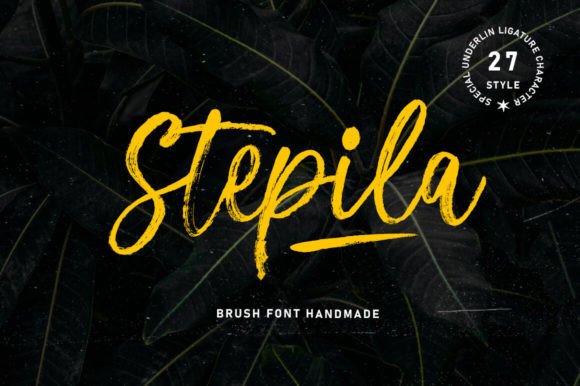
History Sign is a bold, stylish script font that brings a classic yet modern feel to any design project. Its unique brush-stroke style adds personality and visual interest, making it ideal for editorial work where readability and aesthetic appeal are equally important.
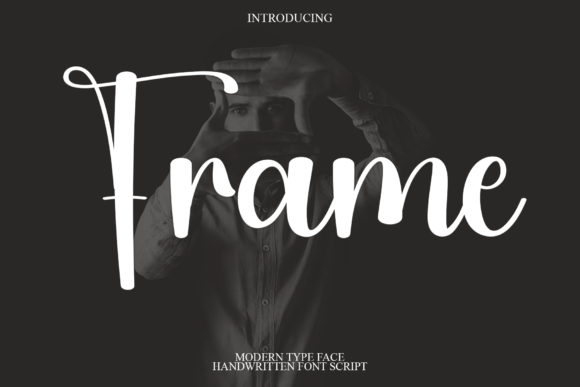
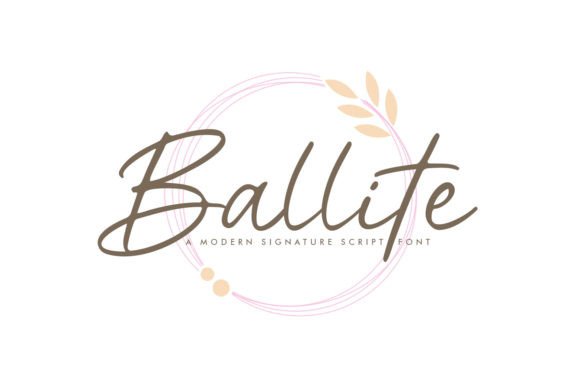
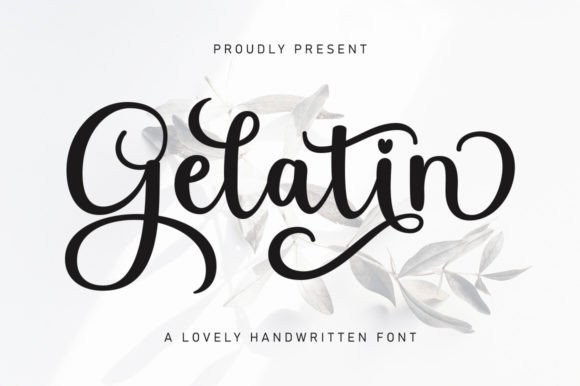
Designed with a strong, expressive hand, History Sign combines the elegance of traditional calligraphy with the clarity needed for effective communication. This makes it a powerful tool for publishers, bloggers, and designers looking to create engaging content that stands out.
History Sign in Editorial Layouts
Whether you're working on a blog post, magazine spread, or ebook title, History Sign can elevate your design with its distinctive character. Its bold strokes make it perfect for headings, subheadings, and pull quotes that demand attention without overwhelming the reader.
In a lifestyle blog, for example, using History Sign for section headers can add a touch of sophistication while maintaining legibility. For recipe ebooks, it can be used to highlight key ingredients or cooking tips, drawing the reader's eye to important information.
Branding and Visual Identity
History Sign is more than just a font—it's a branding asset. When used consistently across newsletters, printable guides, and digital publications, it helps establish a cohesive visual identity. This consistency builds recognition and trust with your audience.
For a wedding guide, History Sign can be used in cover text to evoke a sense of tradition and romance. In a coaching workbook, it can reinforce the tone of inspiration and personal growth. The font's versatility allows it to adapt to different themes and moods while maintaining a strong visual presence.
Readability and Practical Use
Despite its bold style, History Sign remains highly readable, even at smaller sizes. This makes it suitable for use in both digital and print formats. When exporting to PDF or displaying on mobile devices, the font retains its clarity, ensuring a seamless reading experience.
For long-form content, it's best to use History Sign sparingly—reserving it for headlines, captions, and accent typography. Pairing it with a clean sans serif or a readable serif font can create a balanced layout that enhances both aesthetics and functionality.
Font Pairing for Editorial Design
When pairing History Sign with other fonts, consider the contrast between its script style and the surrounding text. A serif font like Georgia or Playfair Display can complement its elegance, while a sans serif like Lato or Open Sans offers a modern, clean contrast.
For a digital magazine, combining History Sign with a simple sans serif for body copy ensures that the design remains accessible and easy to navigate. In social media graphics, it can be used alongside a bold sans serif to create eye-catching visuals that align with your brand's tone.
Applications Across Content Types
History Sign works well in a variety of content formats. For a printable planner, it can be used to label sections or add decorative touches. In a creator newsletter, it can highlight featured articles or special announcements, adding a personal and professional flair.
For a recipe ebook, using History Sign in chapter openers or ingredient lists can create a warm, inviting atmosphere. In a coaching workbook, it can be used to emphasize key concepts or motivational quotes, reinforcing the message and engagement.
Commercial Licensing and Usage
When using History Sign for commercial projects such as ebooks, templates, or paid newsletters, it's important to verify the licensing terms. Most premium fonts include commercial licenses that allow for use in published materials, but it's always wise to check the specific rights provided by the font vendor.
For client publications or digital downloads, having proper licensing ensures that your work remains compliant and avoids potential legal issues. Always review the license agreement before incorporating the font into any final product.
Enhancing Reader Engagement
Typography plays a crucial role in how readers interact with content. History Sign can help create a more immersive experience by adding visual interest and emotional resonance. Its expressive style can evoke a sense of nostalgia, creativity, or authority, depending on the context.
By using History Sign strategically, you can guide the reader's attention through your content, making it easier to follow and more enjoyable to read. Whether it's a digital magazine, a printable worksheet, or a branded newsletter, the font contributes to a more engaging and memorable design.
Final Touches for Editorial Projects
Before finalizing any design, test History Sign in different sizes and contexts to ensure it meets your needs. Check how it appears in various file formats and on different devices to confirm its effectiveness across platforms.
Explore the font's alternate characters, ligatures, and weights to find the best fit for your project. These details can enhance the overall look and feel of your content, offering greater flexibility and customization options.
With its blend of style and practicality, History Sign is a valuable addition to any designer's toolkit. Whether you're working on a blog, magazine, or digital publication, this font can help you create content that looks great and resonates with your audience.